
Reliability & Safety
The Reality of Reactive Engineering
As a leader in a production environment, does your day consist of:
Meetings you can't sit through without being disturbed?
Disturbed nights dealing with queries from your team?
A list of problematic machines that keep experiencing the same failures, no matter how thoroughly you investigate?
Engineering staff turnover so high that you struggle to retain people long enough to develop their skills?
This is an increasingly common situation across industry.
Over the years, various industrial management models have cut away at what appeared to be unnecessary expenditure, leaving engineering teams too lean and expectations of the remaining team's capabilities too high.
Changes in apprenticeships and training have added to this challenge. The move towards multi-skilled maintenance engineers has broadened the range of disciplines engineers are expected to cover, while experienced specialists who completed longer, discipline-specific apprenticeships are gradually retiring and taking valuable knowledge with them.
The result is often a highly reactive production environment, where immediate breakdowns take priority over the activities that could prevent them.
And the more reactive the environment becomes, the less time is available to address the underlying causes.

Getting Back in Control
Most engineering and production managers aren't looking for another maintenance initiative or an additional set of responsibilities.
They want an operation where equipment performs reliably, maintenance activities can be planned, engineers have the necessary skills and resources, and unexpected breakdowns no longer dictate the working day.
An environment where meetings can be completed without constant interruptions, where engineers can develop their skills rather than continually respond to emergencies, and where maintenance resources can be directed towards improving the operation.
Above all, they want confidence that their people can carry out their work safely, including when equipment inevitably fails.
The objective is a stable, predictable and safe production environment, with the time and resources available to keep improving it.
But achieving this becomes increasingly difficult when the operation is already trapped in a reactive cycle.
The Hidden Cost of Reactive Maintenance
Highly reactive situations are difficult to forecast and, without forward planning, almost impossible to manage effectively.
The immediate consequences of an unexpected breakdown are usually obvious: lost production, replacement parts, additional labour and disruption.
What is less obvious is the increased exposure to hazards when engineers are required to intervene on equipment unexpectedly, often under considerable production pressure.
Consider a Foreseeable Breakdown
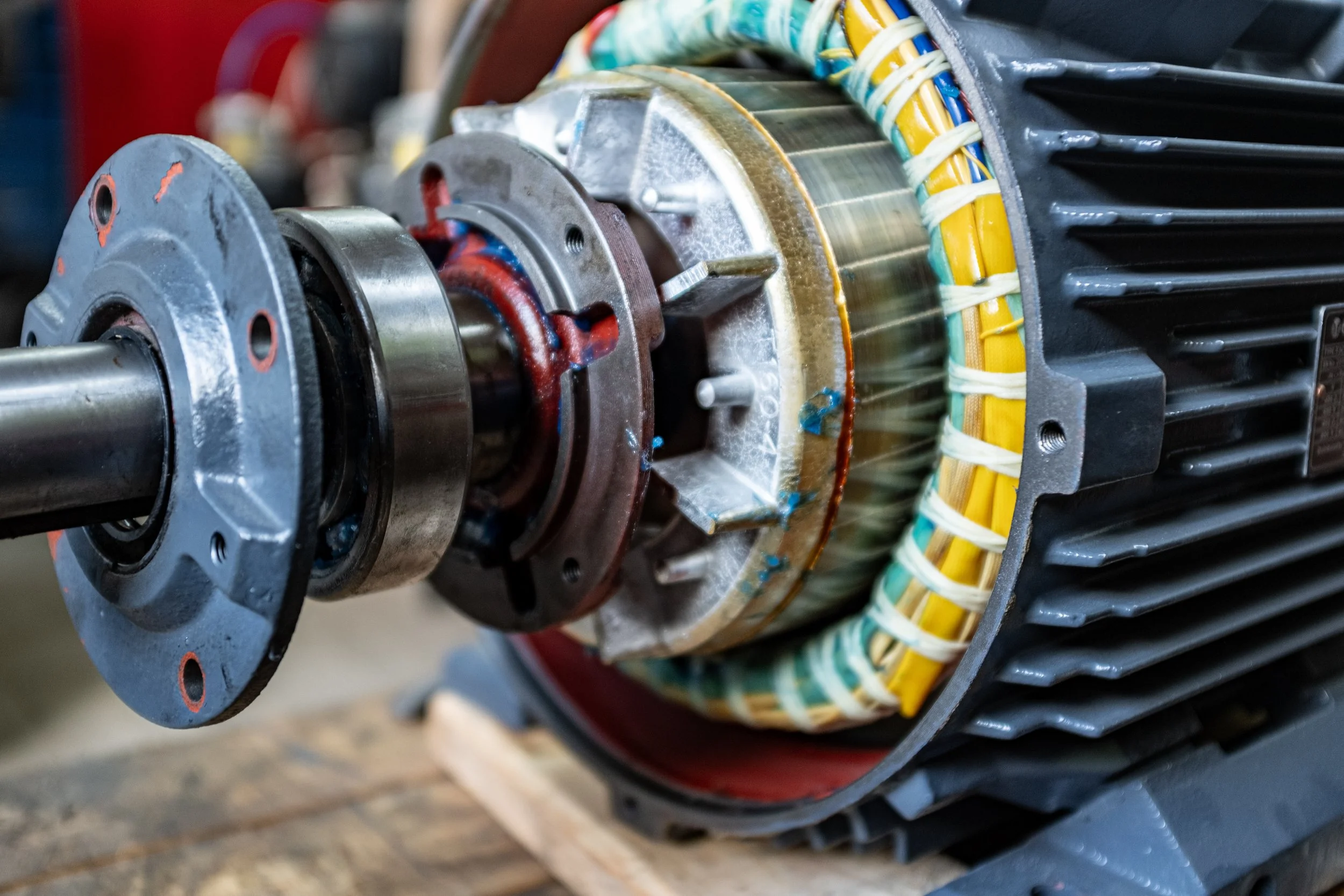
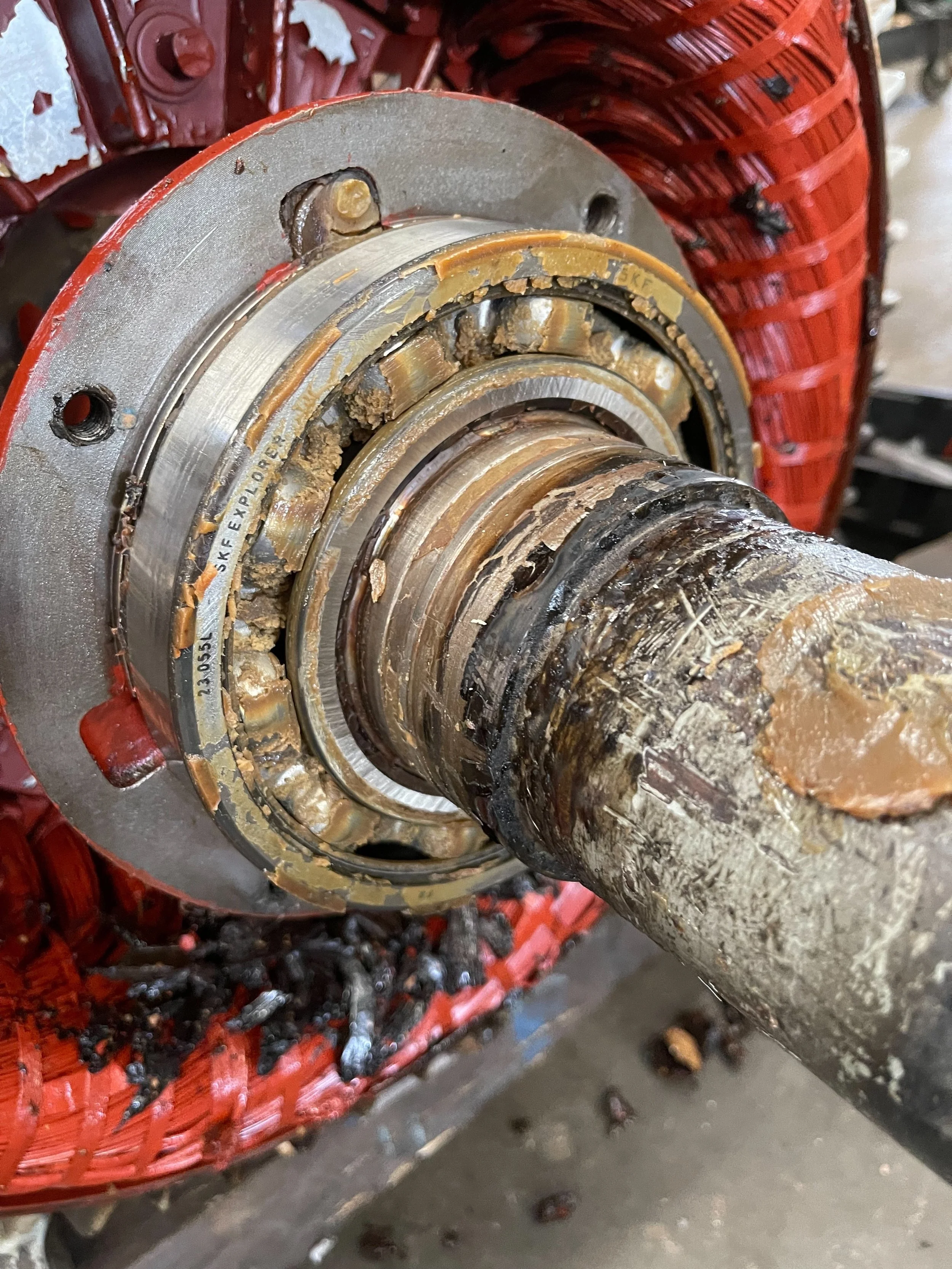
Imagine a 50 kW motor mounted at height. The drive-end bearing has failed following misalignment through a coupling, resulting in increased heat, deterioration of the grease and eventual bearing failure.
Production has stopped, and the engineering team is expected to get the equipment running again.
Before work begins, several questions need answering:
Does the team have an appropriate safe system of work, including a suitable risk assessment and, where required, a written procedure?
Are the engineers competent to undertake the mechanical and electrical work involved?
Are they trained in the necessary lifting and rigging operations?
Is there suitable access to the motor?
Are the correct tools and lifting equipment readily available?
Is there pressure to restore production as quickly as possible?
Does the safest method of working also represent the easiest and most practical approach?
It is reasonable to consider this type of mechanical failure foreseeable.
Yet, in a reactive environment, the assumption that "they're trained engineers" can become a substitute for properly considering the requirements of the task.
As we've already discussed, the specialist knowledge and experience that may once have supported this assumption are becoming increasingly difficult to retain.
Why Did the Motor Fail?
The bearing failure wasn't necessarily an isolated event.
The coupling may have been incorrectly aligned because the engineer undertaking the work had not received adequate training.
That competence requirement may never have been identified in a skills matrix because the engineering manager hasn't had the time or resources to develop one.
The developing failure may not have been identified through preventive maintenance inspections, vibration analysis or other condition monitoring techniques.
Perhaps the failure mode was never identified as requiring inspection because the knowledge previously held by experienced engineers has left the business.
And the necessary maintenance strategy hasn't been developed because the engineering team is constantly responding to breakdowns.
The reactive environment contributes to the failure, and the resulting failure makes the environment even more reactive.
The cycle continues, consuming resources that could otherwise be used to prevent the next breakdown.
The Safety and Legal Implications
An unexpected breakdown may be unplanned, but that doesn't necessarily make it unforeseeable.
This distinction is particularly important under the Provision and Use of Work Equipment Regulations 1998 (PUWER).
Regulation 8 — Information and Instructions
Regulation 8 states:
(1) Every employer shall ensure that all persons who use work equipment have available to them adequate health and safety information and, where appropriate, written instructions pertaining to the use of the work equipment.
(2) Every employer shall ensure that any of his employees who supervises or manages the use of work equipment has available to him adequate health and safety information and, where appropriate, written instructions pertaining to the use of the work equipment.
(3) Without prejudice to the generality of paragraphs (1) or (2), the information and instructions required by either of those paragraphs shall include information and, where appropriate, written instructions on –
(a) the conditions in which and the methods by which the work equipment may be used;
(b) foreseeable abnormal situations and the action to be taken if such a situation were to occur; and
(c) any conclusions to be drawn from experience in using the work equipment.
(4) Information and instructions required by this regulation shall be readily comprehensible to those concerned.

What Constitutes a Foreseeable Abnormal Situation?
The associated PUWER Approved Code of Practice and guidance provides further clarification of the terminology used in Regulation 8.
Under its explanation of key terms, "all persons" includes anyone likely to use the equipment with permission, including people who are not employees of the organisation, such as contractors.
It also explicitly identifies examples of foreseeable abnormal situations, including:
Emergency and alarm conditions
Interrupted cycles or sequences
Breakdowns
Power failures
This is a particularly important distinction.
A breakdown may occur unexpectedly, but the possibility of equipment breaking down is expressly recognised within the guidance as a foreseeable abnormal situation.
The obligation is therefore not limited to providing information for normal production activities. Appropriate information and, where necessary, written instructions must also address foreseeable abnormal situations and the actions to be taken when they occur.
Returning to our motor example, the failure may be unexpected, but the organisation should have considered how foreseeable equipment failures and the resulting interventions can be managed safely.
The fact that contractors may be engaged to undertake specialist repairs does not remove the relevance of these information requirements.
Providing Appropriate Information and Instructions
The ACoP and guidance further explain that employers need to decide the most appropriate way of communicating information to employees, considering:
Their levels of skill
Their training
Their experience
The supervision available
The duration and complexity of the task
It also explains that employees should be provided with examples of foreseeable problems and ways of dealing with them.
Knowledge gained through experience with equipment should be recorded and communicated to relevant members of the workforce.
These requirements have direct implications for the management of maintenance and breakdown activities.
Returning once again to our motor failure, has the organisation established appropriate arrangements to ensure the intervention can be undertaken safely?
Are the necessary competencies, access arrangements, equipment and safe working methods understood before the failure occurs?
Or is the expectation simply that the engineering team will work out how to deal with the situation when it happens?
More Than Just Training
Several of the questions raised in our example relate directly to human factors considered in machinery safety.
EN ISO 12100 recognises reasonably foreseeable human behaviour, including:
Reflex behaviour following machinery malfunctions or failures.
Behaviour resulting from lack of concentration or carelessness.
Taking the path of least resistance when carrying out a task.
Behaviour influenced by pressure to keep machinery operating.
These considerations are particularly relevant in reactive production environments.
An engineer working under production pressure, without appropriate access or readily available equipment, may be more likely to adopt an unsafe method of working.
Simply stating that an individual is trained does not eliminate the need to consider these foreseeable behaviours and circumstances.
These principles should be considered throughout a machine's lifecycle, beginning with its design and conformity assessment and continuing through its use, maintenance and eventual decommissioning.
This is one reason why PUWER and CE/UKCA conformity assessment complement one another.
The challenge isn't simply making machinery safe during normal operation. It's ensuring that foreseeable interventions can also be undertaken safely, even when things go wrong.
And when engineering teams are already struggling to keep equipment running, meeting these obligations can appear to be an overwhelming additional responsibility.
But what if improving compliance and reducing the maintenance workload were part of the same solution?
Breaking the Reactive Cycle
There is another way to approach this problem.
An intervention that doesn't need to take place eliminates the exposure to hazards associated with that intervention.
All relevant PUWER requirements still apply when maintenance and repairs are necessary. Engineers must have appropriate information, competence, equipment and safe systems of work.
But if we can prevent the failure in the first place, we can also prevent the unplanned intervention and its associated exposure to hazards.
This is where machinery reliability and safety become closely connected.
At Verificare, we understand the daily challenges that drain your time, focus and resources. Our approach is designed to help stabilise your operation before developing the systems needed to sustain long-term improvement.
Stage 1 — Identify Immediate Risks and Developing Failures
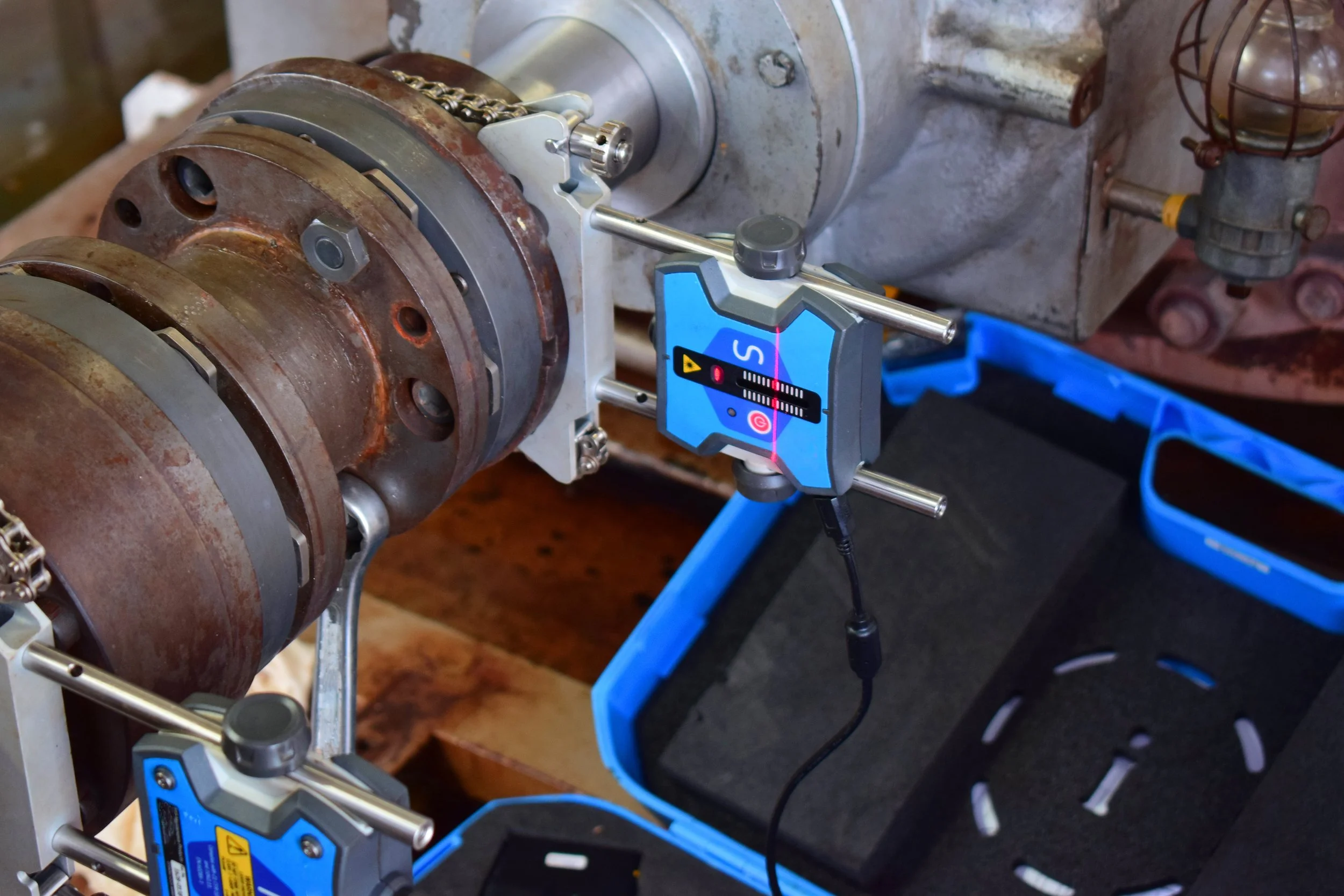
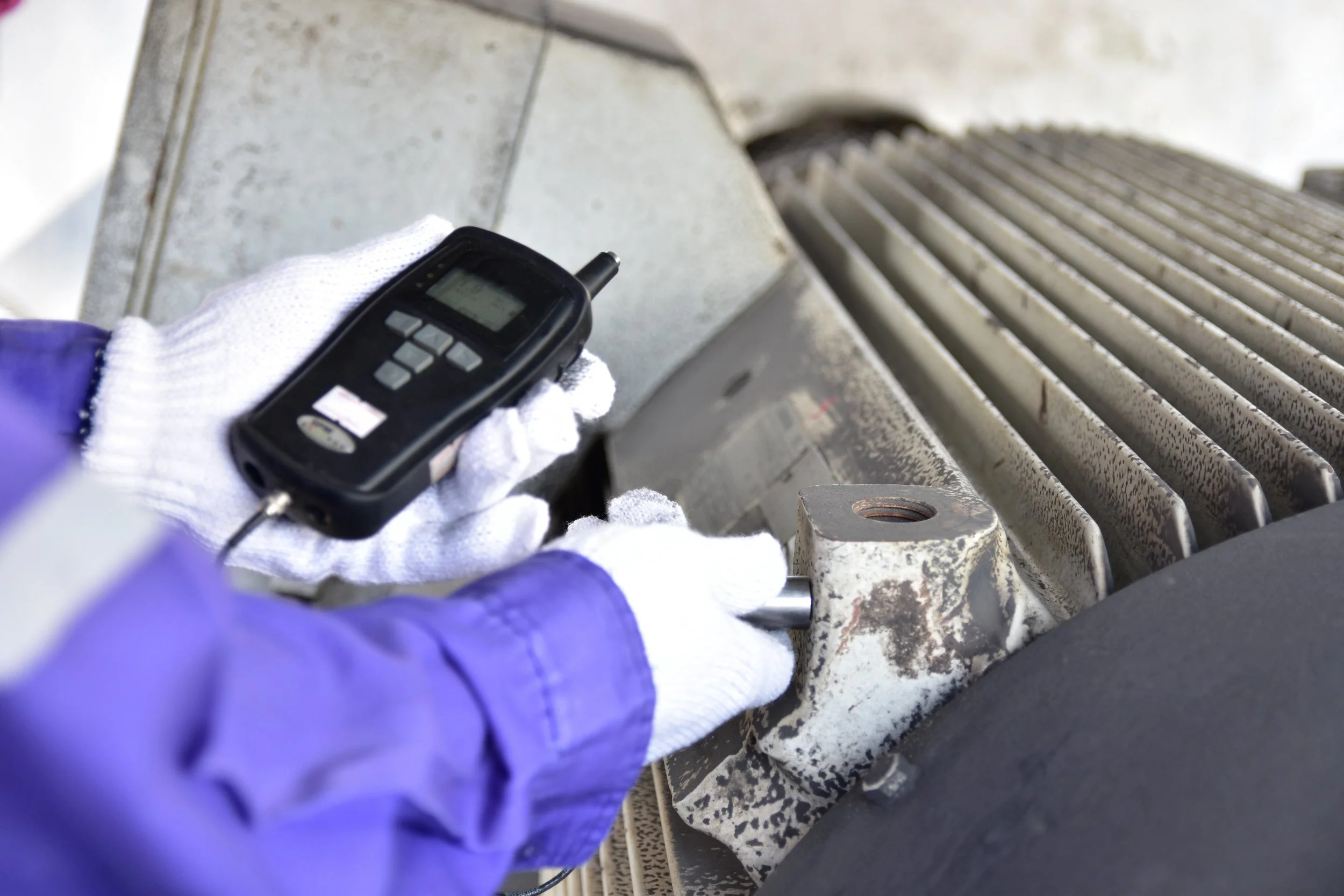
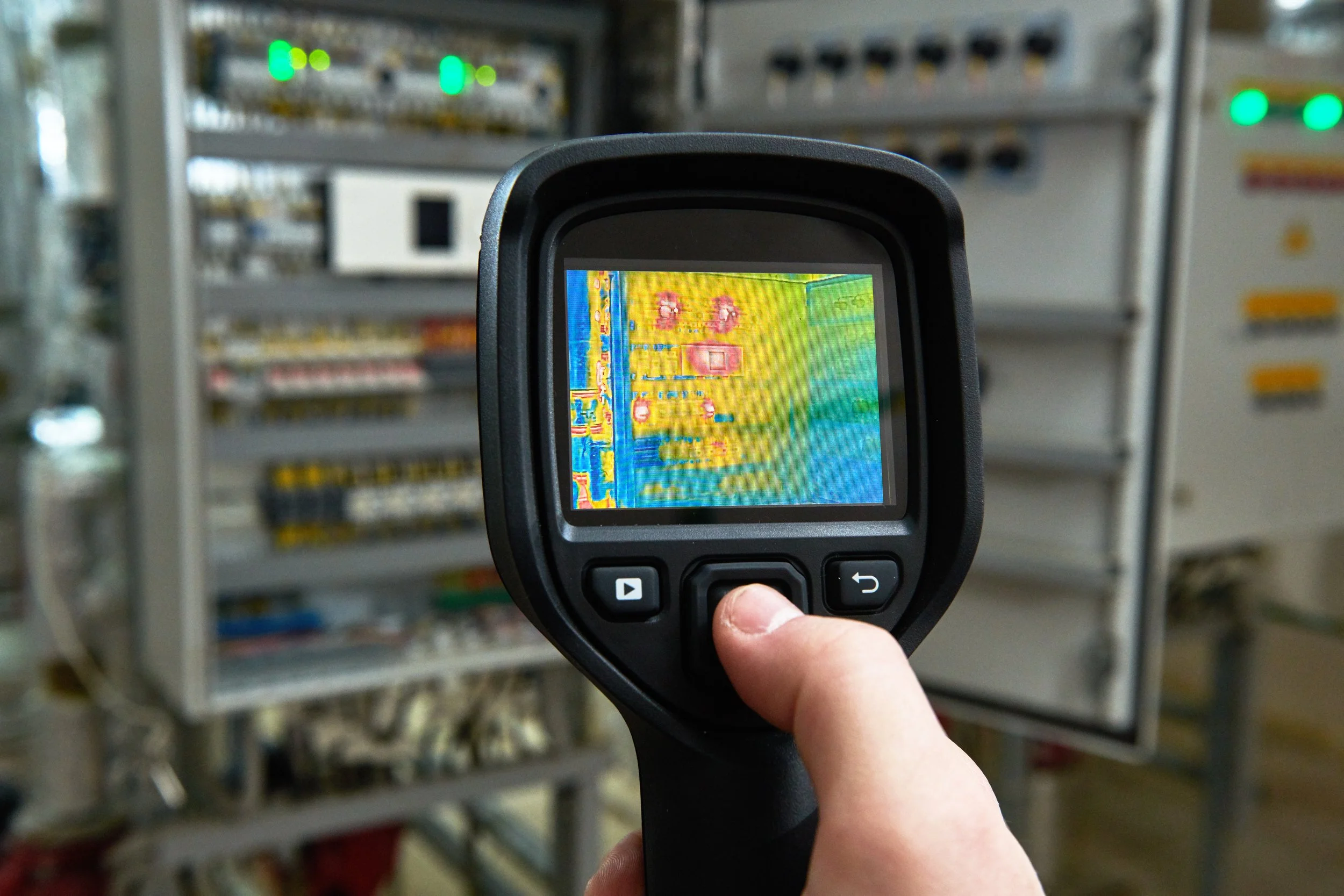
We can combine PUWER assessments with thermography and vibration analysis to identify safety concerns and developing equipment faults.
This allows corrective maintenance to be prioritised and, where possible, scheduled during planned maintenance periods rather than waiting for an unexpected breakdown.
The immediate objective is to reduce urgent interventions and begin restoring control over the maintenance workload.
Stage 2 — Establish Plant Criticality
Once immediate concerns are understood, we can undertake a plant criticality assessment to establish which equipment has the greatest impact on safety, production and operational continuity.
This identifies where limited engineering resources are best directed and provides the foundation for developing an effective maintenance strategy.

Stage 3 — Develop a Maintenance Strategy
Using the findings of the criticality assessment, we can develop maintenance plans that combine appropriate preventive and condition-based maintenance activities.
This may include vibration analysis, thermography, lubrication analysis, routine inspections and scheduled maintenance tasks.
Although we do not offer the condition based monitoring as a contracted service, we can introduce you to trusted professionals.
The objective is to identify developing problems before they become failures, allowing maintenance activities to be planned rather than dictated by breakdowns.
This also creates opportunities to identify the skills and training needed to support the maintenance strategy, rather than relying solely on the experience of individual engineers.

Stage 4 — Identify Foreseeable Failures and Interventions
The final stage is to undertake Failure Mode and Effects Analysis (FMEA) to identify foreseeable equipment failures and derive the maintenance and intervention activities associated with them.
Combined with a review of routine maintenance, inspection, cleaning and adjustment activities, this allows us to identify gaps in existing safe systems of work.
Appropriate task risk assessments, procedures, competence requirements and supporting arrangements can then be developed, helping to address the requirements of PUWER.
This closes the loop between equipment reliability and the safe management of foreseeable maintenance interventions.
Rather than continually responding to failures, the organisation begins preventing them while remaining prepared to manage those that cannot be avoided.
And this doesn't necessarily need to begin with an entire factory.
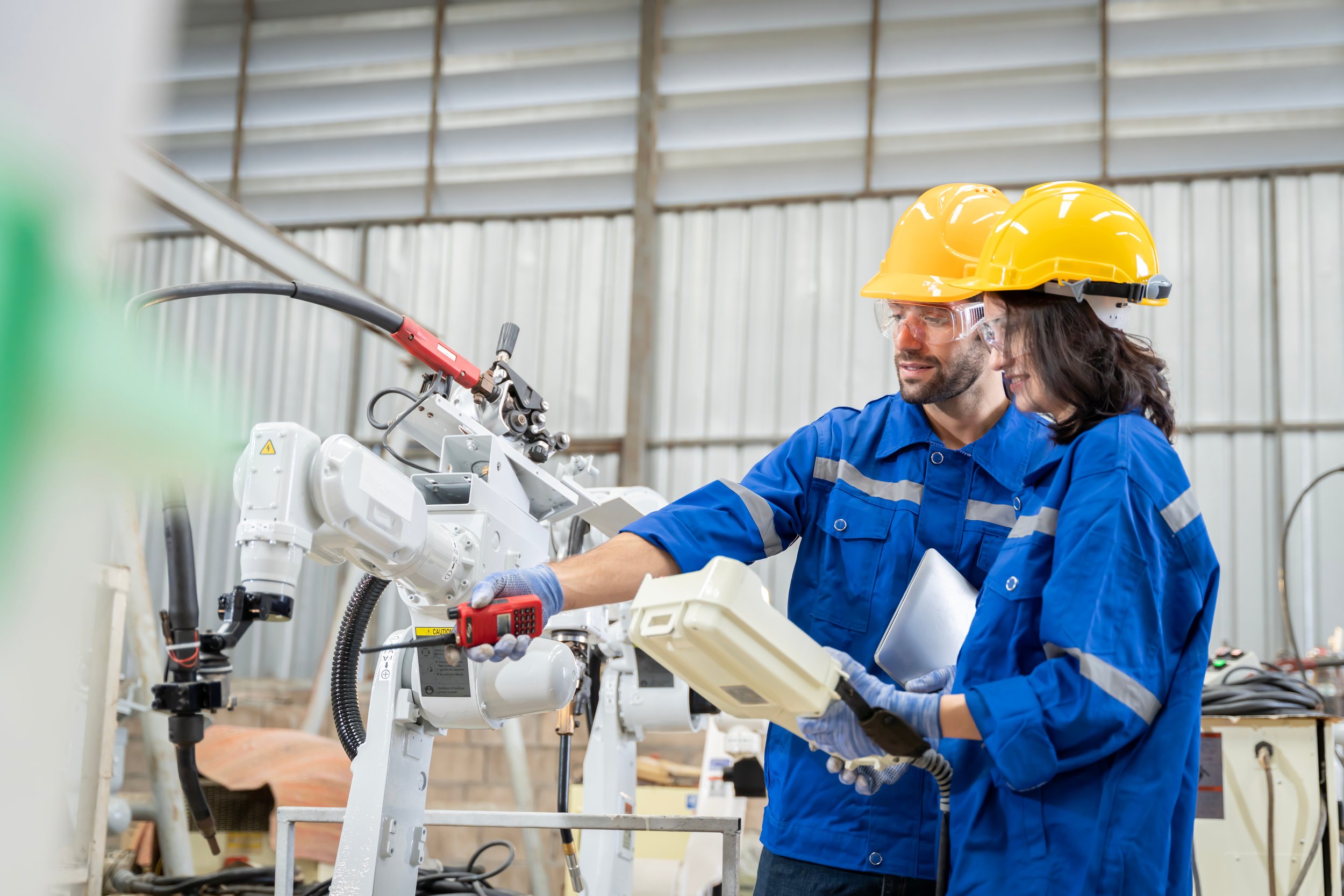
A single problematic machine or production line can provide a starting point for identifying recurring failures, improving maintenance arrangements and demonstrating the benefits of a more structured approach.
A Safer, More Reliable Operation
Returning to our original motor failure, consider how the outcome could change.
A suitable maintenance strategy identifies the coupling alignment as an important inspection requirement.
The necessary competencies are recorded in the engineering skills matrix, and the team receives appropriate training.
Condition monitoring identifies vibration variation from historical trends before the motor fails, allowing corrective work to be scheduled during planned downtime.
The engineering team has the time, equipment and procedures necessary to undertake the work safely.
Production disruption is reduced, unnecessary replacement costs are avoided, and engineers are no longer required to respond to the same recurring failure under emergency conditions.
Most importantly, the time previously consumed by reactive maintenance can begin to be reinvested in further improvements.
This creates the opportunity for a different cycle: one where improved reliability releases resources, those resources support better maintenance and training, and those improvements deliver further reliability and safety benefits.
Fewer breakdowns. Safer interventions. Better use of resources. More time to move your operation forward.

How Can Verificare Help?
If your engineering team is overwhelmed by recurring breakdowns, limited resources and competing priorities, Verificare can provide the dedicated technical support needed to help break the cycle.
Whether you're struggling with a single recurring equipment failure or looking to develop a site-wide maintenance strategy, we can help you take the first step.
Our integrated approach to machinery reliability, maintenance planning and PUWER compliance is designed to help you move towards a safer, more reliable and more profitable operation.
Get in touch to discuss how we can help you regain control.